
Researching food-based livelihoods after Covid-19 in South Africa
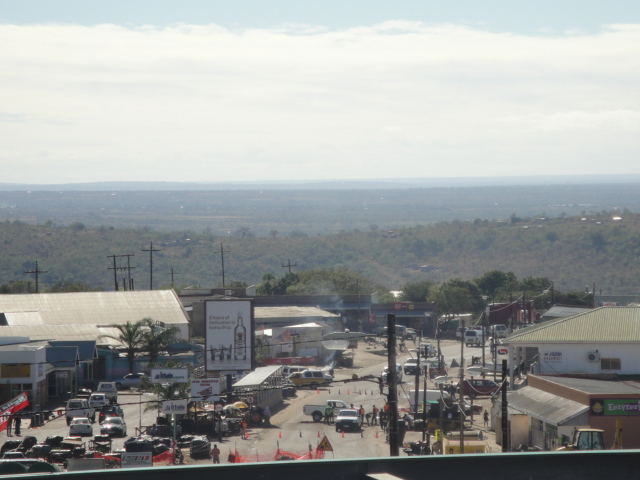
This research project examines how people generate livelihoods and food access after Covid-19. It is based on qualitative research in the Umkhanyakude district in the north of the province of KwaZulu-Natal.
Since 2020, South Africa has experienced multiple critical events, beginning with Covid-19 and the government “lockdown” measures that caused job losses, food supply collapse, and escalating hunger. During the first lockdown, 3 million people lost their livelihoods and 47% of households ran out of money to buy food. The food and fuel price hikes and political instability that followed led to the July 2021 ‘unrest’—a period of widespread damage, violence, and looting. In April 2022, another national state of emergency was declared when floods killed hundreds of people and displaced thousands. As food prices continued to rise, management failings and corruption scandals of the state-owned energy provider led to black outs of up to 9 hours per day, disrupting livelihoods on a massive scale.
As these events sent shockwaves through rural economies, people continued to secure food and income for their families, reacting, adapting, and shaping their situations. The research, based at SOAS University of London, explores how livelihoods are being worked out during these successive crises.
 Rural economies in South Africa