
Challenges to livelihoods in the food sector
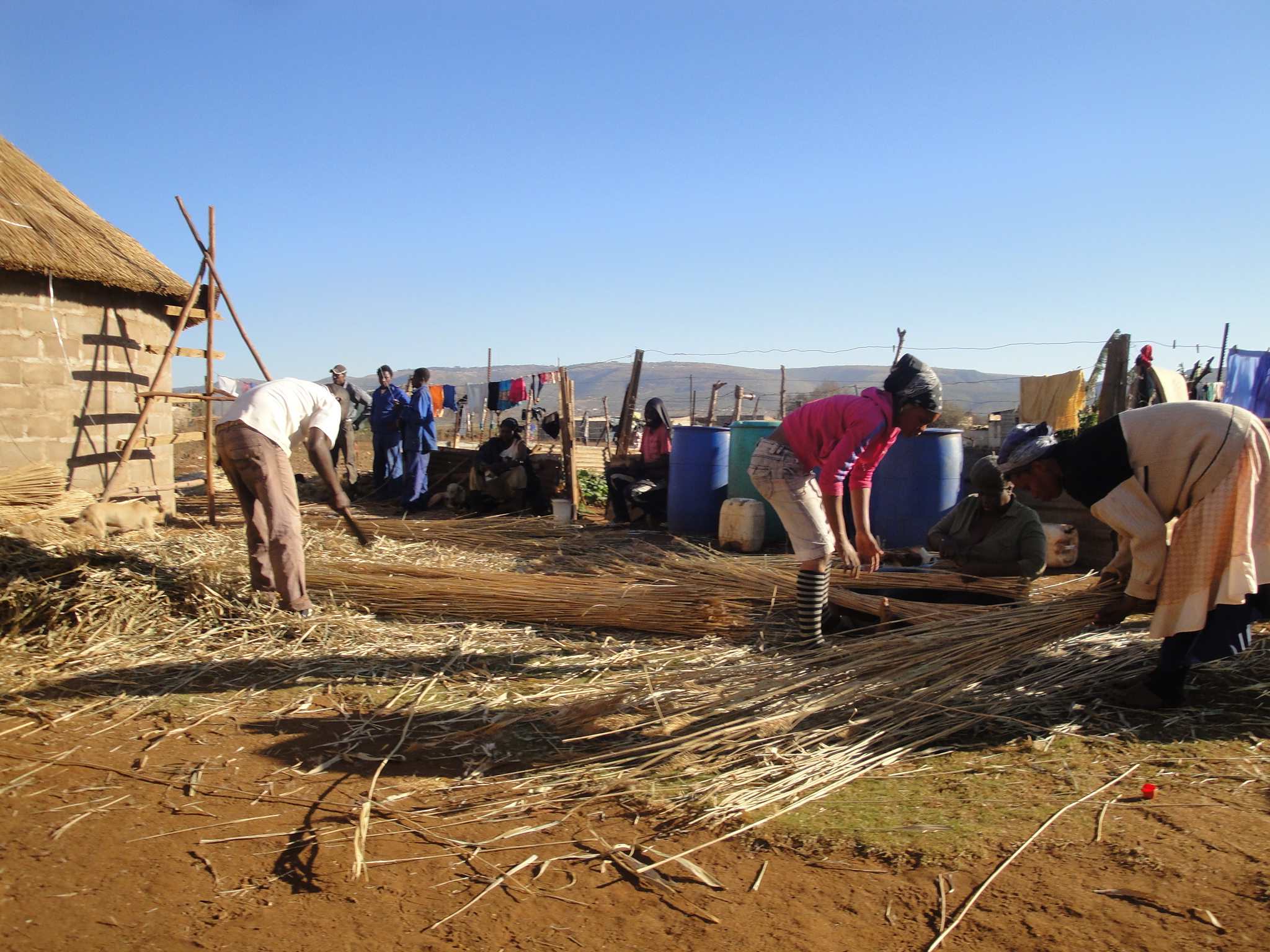
We have conducted interviews with farmers, street vendors, small shop owners and supermarket employees to understand how livelihoods are being rebuilt in the wake of Covid-19, the July ‘unrest’, and disruptions caused by food and fuel price volatility and energy cuts. In many cases, recent crises compound existing vulnerabilities. For example, women’s saving groups known as stokvels support livelihood activities because women use them to pool funds and buy food cheaply in bulk. Energy cut-outs transform this activity from a reliable to a high-risk strategy, because interrupted refrigeration leads to food rotting in hot weather.
In other instances, government interventions to tackle short-term crises overlook longer-term marginalisation. For one group of women farmers, research questions on the impact of Covid-19 were deeply frustrating. Broken water pipes had stopped them from farming for four years so for them, Covid-19 was not the problem. Their lifestyles already resembled ‘social distancing’, working in the fields and socializing outdoors. Instead, the focus on Covid-19 meant continuing to be locked out of development efforts.
Xenophobia and migrant experiences in food retail
In July 2021, violence erupted in South Africa. Rioting and looting of shops began in KwaZulu-Natal and quickly spread elsewhere. Sparked by the imprisonment of the former president Jakob Zuma in the context of infighting within the ruling African National Congress (ANC), commentators recognised that Covid-related job losses, economic insecurity and hunger motivated the riots. In one location of this project, rioters set alight a supermarket and looted three others. The unrest was widely explained as a xenophobically-motivated attack on migrant retailers, whose shops were targeted around the country. A pilot research project we conducted in 2022 with two other community researchers, Cynthia Gina and Simangaliso Masinga, found that unlike in some other parts of the country, foreign-owned shops were spared while looters targeted larger supermarkets almost exclusively.
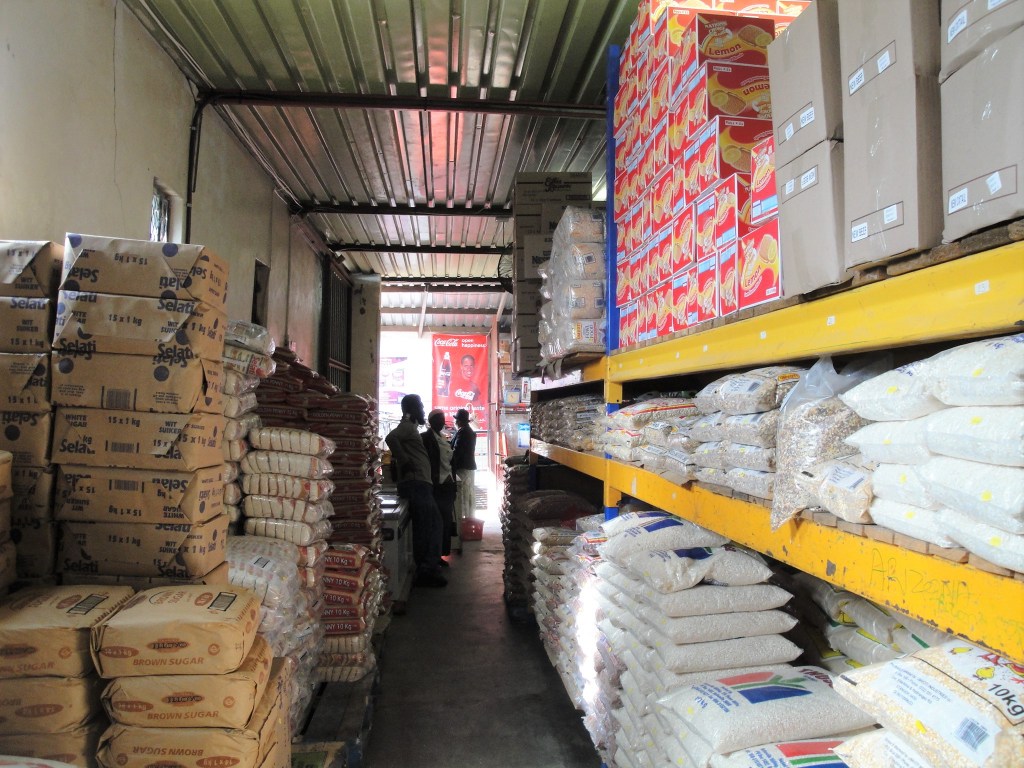
These findings prompted us to develop a research question investigating the experiences of migrants in food retail. We found that the smaller tuckshops and foreign-owned stores absorbed some of the shock of the unrest, continuing to supply essential food items often on credit to regular customers. Xenophobic tensions were reported in several of the interviews. However, foreign tuckshop owners are usually based in the area over the long-term, own a shop located within the homestead of a local family, and have multiple ties with customers based on trust and flexible credit. They are essential to the food security strategies of many households. Intricately embedded within these social and economic networks of food provisioning, their mixed experiences of belonging are more complex than can be captured by the labels of ‘foreign’ and ‘local’.
Citizen and state expectations
The research reveals a disjuncture between how South Africa’s social and economic problems are represented in media and academic debates, and how they are experienced by residents in a marginalised, rural part of the country. People demonstrated high levels of dissatisfaction about ongoing disruptions to government services and pessimism about the limits of government support for rural people. Nonetheless, a view of the government as a ubiquitous and permanent feature of life and livelihood emerged prominently from our findings. They suggest a higher degree of trust in the long-term stability of the state than is suggested in the debates gaining urgency about whether South Africa is, or is becoming, a failed state.
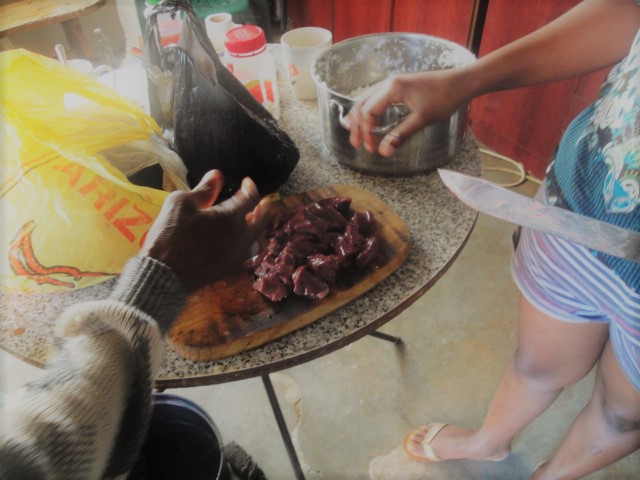
The research findings also challenge popular discourse and government policies that depict rural areas as economically stagnant and households as merely reactive to external circumstances. One of the research interlocutors used to be a domestic worker and her husband was a yard cleaner earning very little. She began to grow and sell seedlings and after several years she was able to support one of her children financially through tertiary education, together with the help of a bursary he won. Now her son works as an engineer in Durban and sends R1000 to support his mother each month. Examples such as this of intergenerational class mobility are common. So too is reinvestment of urban salaries in rural areas, especially through home building. Therefore, while the country faces a precarious moment of high unemployment, weakening government institutions and growing political instability, it is the flows of people and resources between rural and urban areas—rather than the socioeconomic and cultural differences of country and city—that are integral to understanding livelihoods.
 Rural economies in South Africa